Essential Roof Maintenance Tips for Homeowners
Maintaining your roof is crucial for the longevity of your home. A well-kept roof not only protects your house from the elements but also enhances its overall value. Neglecting roof maintenance can lead to costly repairs and even structural damage. In this blog post, we will explore essential roof maintenance tips that every homeowner should know to keep their roofs in top condition.

Understand Your Roof Type
Before diving into maintenance tips, it's essential to understand the type of roof you have. Different materials require different care. Here are some common roof types:
Asphalt Shingles: These are the most common roofing materials in the U.S. They are affordable and easy to install but may need replacement every 15-30 years.
Metal Roofs: Known for their durability, metal roofs can last 40-70 years. They require less maintenance but should be inspected regularly for rust or loose panels.
Tile Roofs: Clay or concrete tiles are long-lasting but can be heavy and may require professional installation. Regular inspections are necessary to check for cracks or broken tiles.
Flat Roofs: Common in commercial buildings, flat roofs require regular maintenance to prevent water pooling and leaks.
Understanding your roof type will help you tailor your maintenance approach effectively.
Regular Inspections
Conducting regular inspections is one of the most effective ways to maintain your roof. Here’s how to do it:
Frequency of Inspections
Twice a Year: Inspect your roof in spring and fall to catch any issues before they worsen.
After Severe Weather: Check your roof after storms, heavy snowfall, or high winds.
What to Look For
Missing or Damaged Shingles: Look for any shingles that are cracked, curled, or missing.
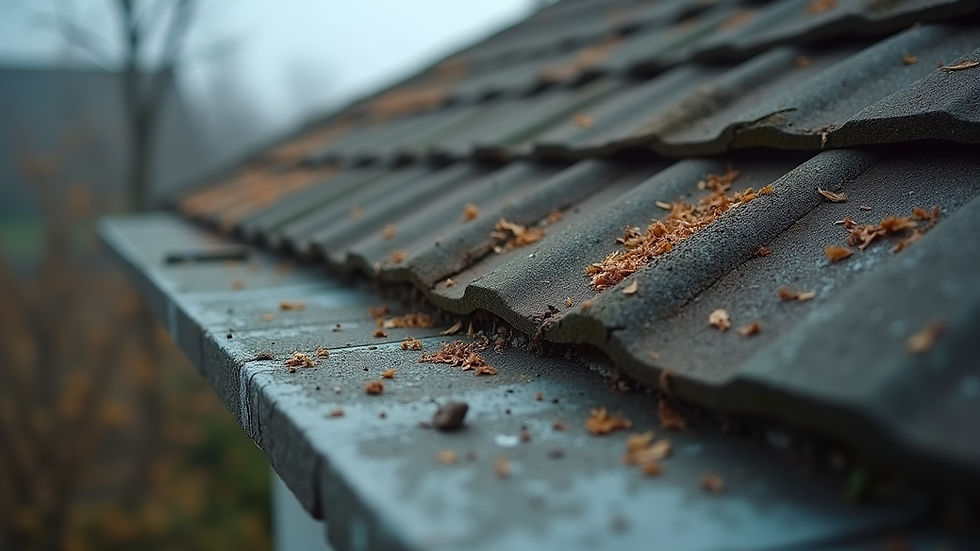
Debris Accumulation: Remove leaves, branches, and other debris that can trap moisture.
Signs of Leaks: Check for water stains on ceilings or walls, which may indicate a leak.
Gutter Condition: Ensure gutters are clear and functioning properly to prevent water damage.
Clean Your Roof
Keeping your roof clean is vital for its longevity. Here are some cleaning tips:
Remove Debris
Use a Soft Broom: Gently sweep off leaves, twigs, and dirt to prevent mold and algae growth.
Avoid Pressure Washing: High-pressure washing can damage shingles and lead to leaks.
Algae and Moss Removal
Use a Cleaning Solution: Mix water with a mild detergent or a specialized roof cleaner to remove algae and moss.
Apply with Caution: Use a sprayer to apply the solution and let it sit for 15-20 minutes before rinsing.
Maintain Your Gutters
Gutters play a crucial role in directing water away from your roof and foundation. Here’s how to keep them in good shape:
Regular Cleaning
Frequency: Clean your gutters at least twice a year, or more often if you have overhanging trees.
Check for Blockages: Ensure downspouts are clear and water flows freely.
Install Gutter Guards
Benefits: Gutter guards can help prevent debris accumulation and reduce the frequency of cleaning.
Types: Choose from mesh, screen, or solid covers based on your needs and budget.
Address Repairs Promptly
If you notice any issues during your inspections, address them immediately. Delaying repairs can lead to more significant problems down the line. Here are common repairs to consider:
Shingle Replacement
DIY or Professional: If you’re comfortable, you can replace a few shingles yourself. For extensive damage, hire a professional.
Matching Materials: Ensure new shingles match the existing ones for a uniform look.
Flashing Repairs
Check Flashing: Inspect the metal flashing around chimneys, vents, and skylights for rust or damage.
Seal Leaks: Use roofing cement to seal any gaps or cracks in the flashing.
Insulate and Ventilate
Proper insulation and ventilation are essential for roof health. Here’s why:
Prevent Ice Dams
Insulation: Ensure your attic is well-insulated to prevent heat loss, which can lead to ice dams in winter.
Ventilation: Install vents to allow warm air to escape, reducing the risk of ice buildup.
Improve Energy Efficiency
Attic Ventilation: Proper ventilation helps regulate temperature, reducing energy costs and prolonging roof life.
Insulation Types: Consider fiberglass or spray foam insulation for optimal performance.
Hire a Professional
While DIY maintenance is essential, some tasks are best left to professionals. Here’s when to call in the experts:
Major Repairs
Structural Issues: If you notice sagging or structural damage, hire a roofing contractor immediately.
Complex Installations: For new roofs or extensive repairs, professional installation ensures quality and safety.
Annual Inspections
Expert Evaluation: Consider hiring a professional for an annual roof inspection to catch issues you might miss.
Keep Records
Maintaining a record of your roof’s maintenance history can be beneficial. Here’s how to keep track:
Document Inspections and Repairs
Create a Log: Note the date, findings, and actions taken during each inspection.
Save Receipts: Keep receipts for any repairs or maintenance work done.
Plan for Future Maintenance
Set Reminders: Use a calendar or app to remind you of upcoming inspections and maintenance tasks.
Conclusion
Regular roof maintenance is essential for protecting your home and ensuring its longevity. By understanding your roof type, conducting regular inspections, cleaning, maintaining gutters, addressing repairs promptly, and hiring professionals when necessary, you can keep your roof in excellent condition. Remember, a well-maintained roof not only enhances your home’s value but also provides peace of mind. Start implementing these tips today to safeguard your investment for years to come.

Comments